MNZ Interview: Cross Section S03 / E04 – Lisa Crawley
Lisa Crawley

Aiming to dissect the cross section between the creative process and the industry side, Cross Section is an exciting interview series hosted by Shannon Coulomb.
LA-based New Zealand artist Lisa Crawley recently released What You Can Do, a reflective and emotionally honest single that sets the tone for her new EP, released on Friday, April 26. Written from personal experience and dedicated to those who struggle with setting boundaries, the song explores the tension between identity and productivity, carried by a nuanced piano arrangement with subtle vintage pop influences. Produced by John Spiker (Tenacious D) and paired with a beautifully shot video filmed in Joshua Tree by William Cook, What You Can Do showcases Crawley’s strength in combining intimate storytelling with thoughtful musical choices. It follows her 2024 single Hey You, which reached #12 on RadioScope’s Alternative Chart and gained traction across student and mainstream radio in Aotearoa. A four-time APRA Silver Scroll nominee, Crawley has toured with the likes of Suzanne Vega and Paul Weller, and most recently played the lead in the Tony Award-winning musical Once. Her upcoming EP continues a run of work that is both deeply personal and artistically assured.

Lisa, your new EP New Girl Syndrome was released on April 25. How does this collection of songs reflect where you are right now as an artist?
This EP feels like the most personal body of work I’ve put out in a while. The title New Girl Syndrome came from this pattern I noticed in my life – of constantly starting over. New places, new creative spaces, even new roles within relationships or jobs. I’ve often found myself in unfamiliar rooms, having to prove myself again. There’s something a bit exhausting about that, but also liberating. The songs explore all those in-between spaces – what it means to grow, to let go, and to show up in your own life with a bit more clarity, even when things are still uncertain. Sonically, it leans into both the intimate and the theatrical, which feels very ‘me’ right now.
Your new single, What You Can Do, explores themes of identity beyond work and the difficulty of saying no. What was the creative process like for this song, and did it differ from your usual songwriting approach?
Yeah, that song really came out of a place of exhaustion, if I’m honest. I’d hit a point where I realised I was saying yes to everything – every opportunity, every gig, every favour – because I didn’t want to disappoint people or seem ungrateful. But it was burning me out. I started writing the song almost like a letter to myself. I wasn’t trying to make it overly poetic; I just wanted it to be truthful.
Working with John Spiker helped shape it into something that felt polished but still emotionally raw, and we didn’t overcomplicate it. We recorded a lot of it live, and I think you can feel that in the performance. It’s vulnerable, but there’s also this quiet strength to it that I only recognised after sitting with it for a while.

You’ve had an incredible career spanning multiple countries, from Aotearoa to LA. How has living and working internationally shaped your perspective as an artist?
Living in different countries really makes you reassess how you define success, and what you actually want from your creative life. In New Zealand, I had a bit more stability – I was more established, and there was a kind of built-in support network. In LA, you’re constantly meeting new people, introducing yourself from scratch, and navigating an industry that moves at a completely different pace.
But being outside of my comfort zone forced me to become clearer on who I am as a writer and performer. I’ve had to develop more resilience, for sure. I think I’ve also become more independent – making my own opportunities instead of waiting for them. And creatively, there’s this mix of influences that start to seep into your work. I feel I’m not as caught up in trying to fit into any one box. I trust my instincts more now.
With experience in both music and musical theatre – most recently starring in Once – do you find your creative process shifts depending on the medium?
Somewhat, yes. When I’m writing my own songs, it’s quite internal – I’m pulling from my own experiences and trying to make sense of them. There’s a lot of reflection involved, maybe a piano bit, a lyric and a lot of voice memos. But with theatre, particularly in something like Once, you’re stepping into a character’s world. You’re telling someone else’s story, so the that drives the performance.
What I loved about Once is that the music had a real emotional rawness in that show, and it allowed me to perform in a way that wasn’t too far removed from how I sing naturally. But it also challenged me to think about performance in a broader sense – it all feeds into the storytelling.
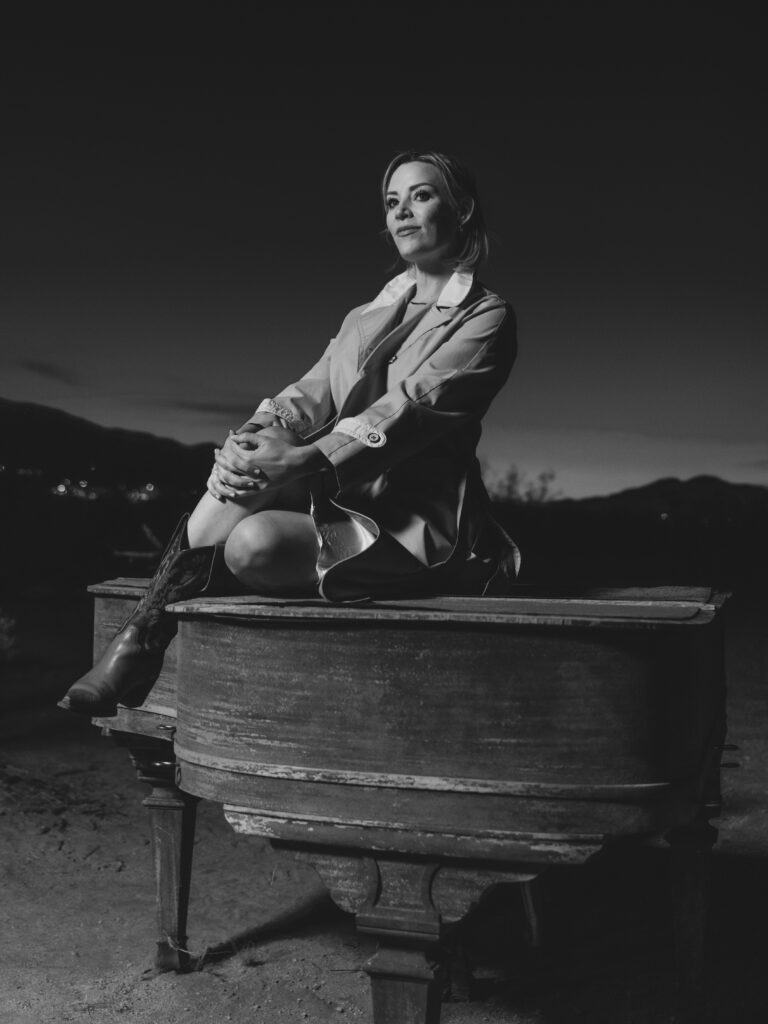
You’ve worked with some incredible musicians and producers, including John Spiker on this latest track. What do you look for in a creative collaborator?
For me, it comes down to mutual respect and a shared sense of purpose. I want to work with people who listen – not just to the music, but to the intention behind it. John brought that to What You Can Do – he has an intuitive way of letting a song grow into itself without rushing the process.
I also think it’s important to feel like you can bring an idea in, no matter how half-formed, and not be afraid it’ll get shut down. The best collaborations feel safe but also stretch you.
Having released music in both New Zealand and the U.S., how do you approach connecting with audiences across different markets? Have you found differences in how your music is received internationally?
There are definitely subtle cultural differences, but at the end of the day, people respond to sincerity. In New Zealand, there’s often a sense of familiarity – audiences might already know a bit about your background or previous work. In the U.S., especially places like LA, you’re more of a blank slate.
I’ve learned not to overthink it too much. I focus on being authentic and making music that feels true. If that connects with someone, whether it’s in Auckland or LA, that’s a win. Honestly, social media has blurred those geographic lines a bit – you never know who’ll be listening or where they might be from.
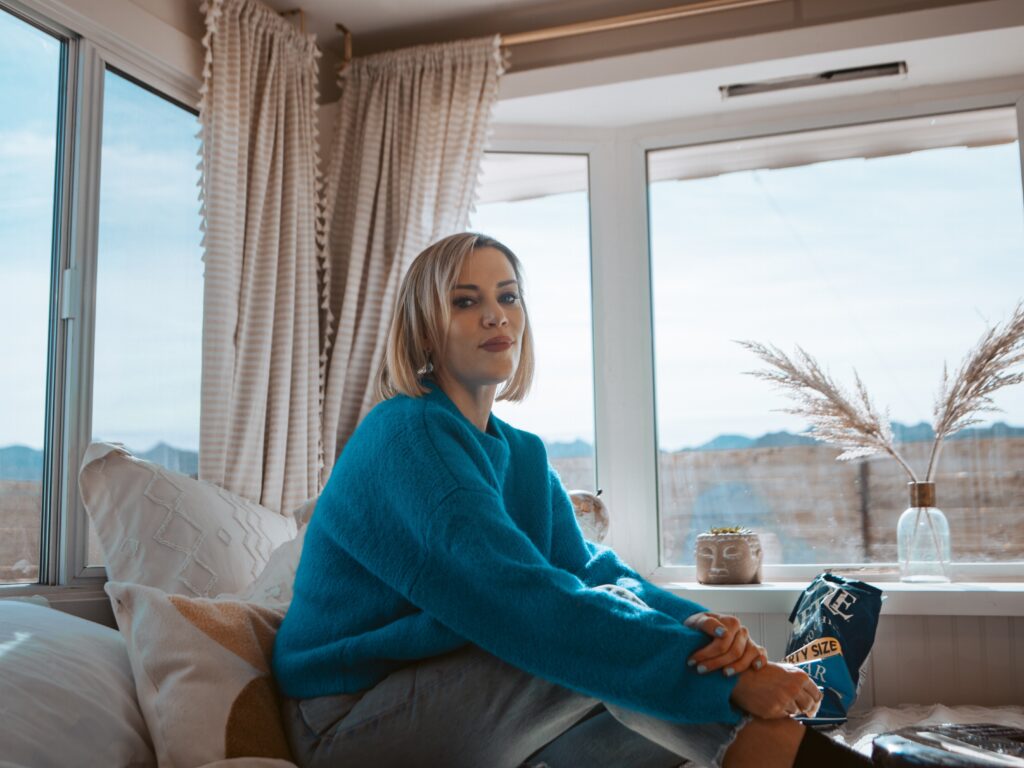
Your songs often blend classic and modern elements. How do you navigate evolving your sound while staying true to your artistic identity?
For me, it’s about keeping the emotional core intact. The arrangement can change, the production can be modern, but if the song still moves you, then it’s doing its job. I also try to stay curious. I don’t want to get stuck in one sonic space, but I also don’t feel the need to chase every trend. It’s about growth, not reinvention for the sake of it. I think if you’re honest in your writing and intentional in your choices, your sound will naturally evolve in a way that still feels like you.
Have there been any pivotal moments in your career that changed the way you approach music – whether creatively or professionally?
Moving to LA was definitely one of those moments. It was like being dropped into this huge pool of noise and energy, and I had to decide very quickly who I wanted to be in all of that. It forced me to get clearer on my creative values and stop waiting for permission. Another big moment was stepping into the role of ‘Girl’ in Once. That experience reminded me how much I love storytelling – not just through lyrics, but through performance.
Those shifts helped me see my work differently – I started focusing on connection. And that’s changed not just how I write, but how I show up for my own career. With more intention, and hopefully a bit more joy.

For NZ musicians considering a move overseas, what advice would you give about balancing creativity with the business side of the industry?
I’m grateful to be part of the wider songwriting community, especially in New Zealand, where there’s so much talent. It’s easy to get caught up in the admin and the branding and the “grind” mentality, especially in a place like LA. I’d say prepare as much as you can, but stay open to things unfolding differently than you expect. Be proactive – reach out, network, apply for things – but also protect your creative space. Also, find people you trust. Mentors, collaborators, even just friends who get what you’re doing. It makes a huge difference when you have people in your corner. And finally, know your worth.
—
Shannon Coulomb is the co-songwriter, guitarist and producer for Auckland Based band Impostor Syndrome. He currently the Head of Music at Birkenhead College, Auckland, as well as curriculum specialist for Music Education at AUT University.
Related Acts:
About the interviewer Shannon Coulomb
Shannon Coulomb is a Head of Music and curriculum specialist working at a national level in music education. He is also a member of Auckland-based recording project Impostor Syndrome, exploring analogue-driven sound and psychologically charged songwriting.
More by Shannon Coulomb
MNZ Interview: Bottom Bunk Club
MNZ Interview: Cross Section S03 / E10 – Stephanie Brown / Play It Strange
MNZ Interview: Cross Section S03 / E09 – High Dependency Unit
MNZ Interview: Cross Section S03 / E08 – Cry Wolf

MNZ Interview: Cross Section S03 / E07 – Static
MNZ Interview: Cross Section S03 / E06 – Jazmine Mary
MNZ Interview: Cross Section S03 / E05 – Elleana Dumper
MNZ Interview: Cross Section S03 / E03 – Matthew Mottram
MNZ Interview: Cross Section S03 / E02 – Ripship