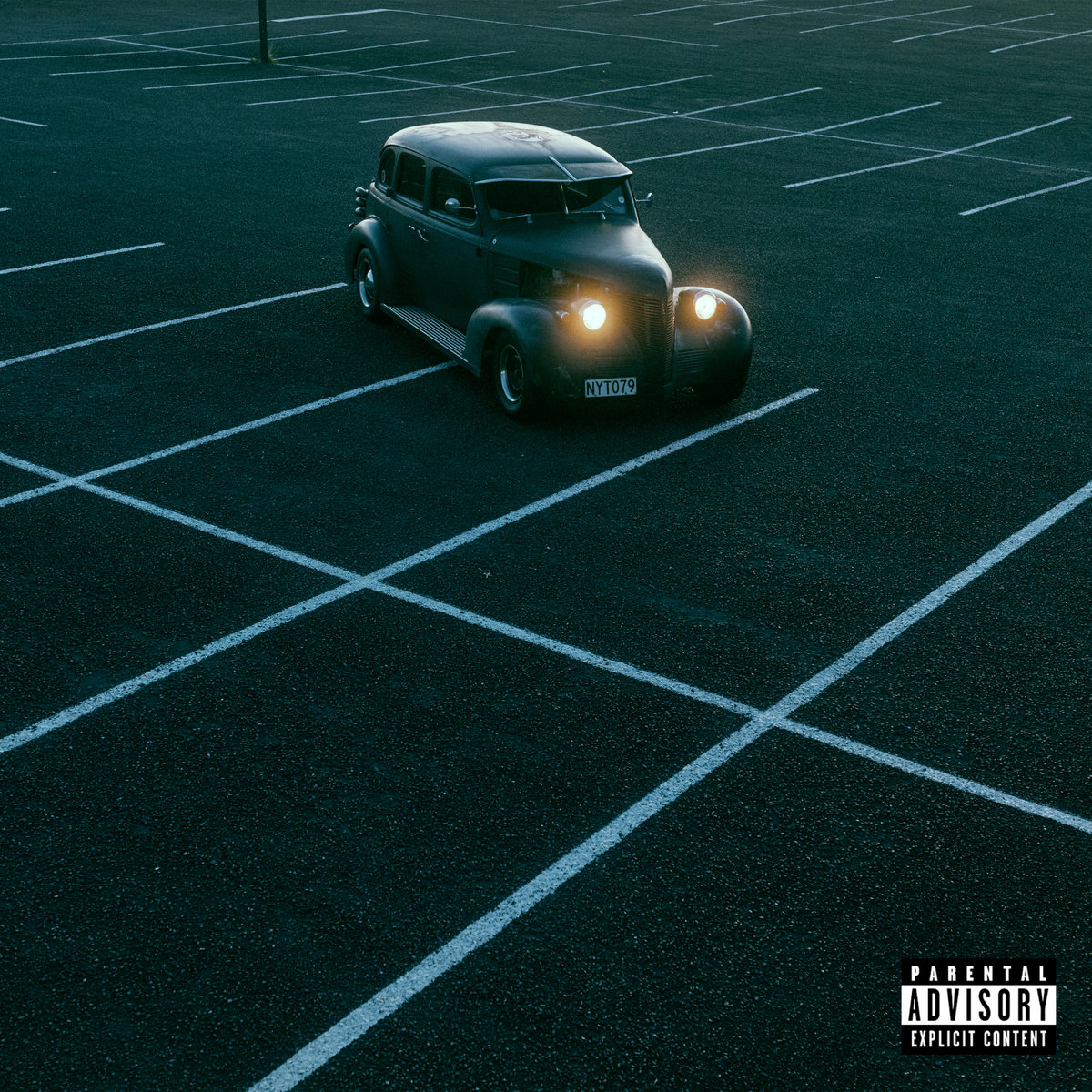
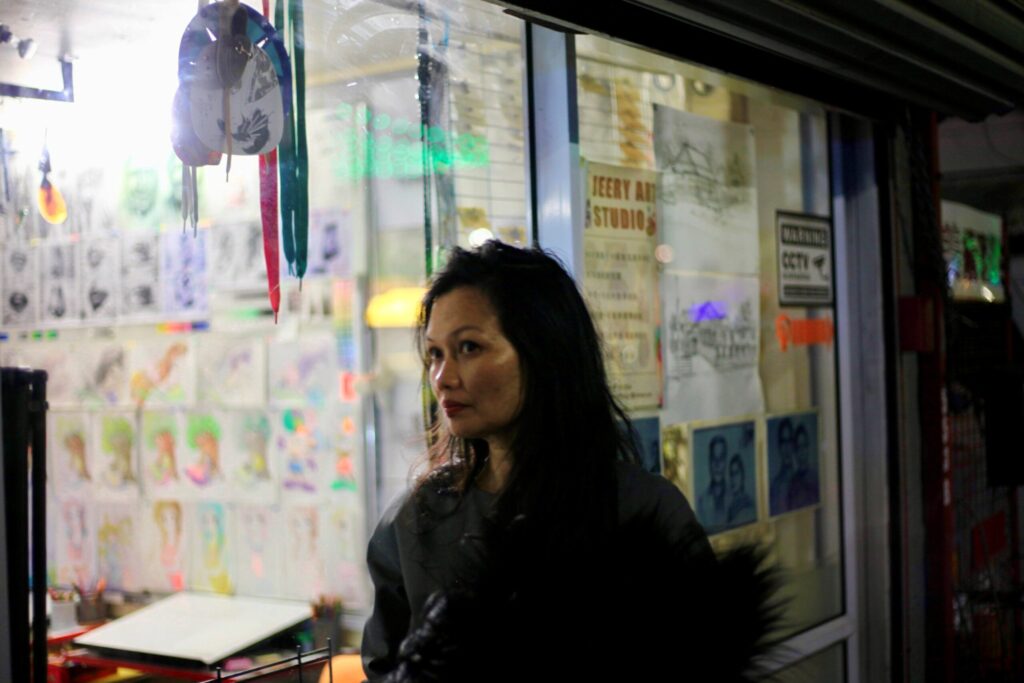
Bic Runga doesn’t need any introduction. The word icon gets thrown around a lot these days, but few artists in Aotearoa deserve it more than Bic. Since bursting onto the scene in 1997, she has inspired generations of musicians and listeners alike. After a long gap between albums, she returns with Red Sunset – a bold, reflective, and deeply personal record. Muzic.NZ’s Lachie sat down with Bic to talk whānau, creativity, returning after an extended break and the changing shape of the music industry.
How are you going? And congratulations on the new album, it is beautiful!
I’m good, thank you. I’m excited – it’s coming out tomorrow, which feels pretty surreal. I have humble expectations, but it’s always exciting to have new music out in the world after such a long time.
You’ve been a staple of Aotearoa music for so long now. How do you feel looking back at your body of work?
I think it’s cool that the songs have been widely adopted into people’s lives. I don’t really think of them as belonging to me anymore. I’ve had such a long time out that it feels healthy to detach yourself from the work a bit. I love it when people use the songs at weddings, funerals, or just hanging out with friends. Once a song is out there, it becomes part of other people’s stories, and that’s a good thing.
That must be a strange feeling – writing something and seeing it become part of people’s lives.
It’s cool. It’s a real privilege. The more I think about it, the more extraordinary it feels.

Recording Red Sunset in Paris
The album was recorded partly in Paris. How did that come about?
It was recorded in Paris and also at home. I lived in Paris years ago, but I’d never taken my family there. My son was leaving home this year, and it felt like our last chance to do something big together as a family. I had a work trip with an organisation, so I thought I’d take the family and some recording gear and make the most of it. We did a lot of work there and finished the rest back home.
Do you think being in Paris influenced the vibe of the record?
Yeah, definitely. Especially after not making anything for such a long time. Domestic life can feel quite mundane, and I needed to recapture that dream-like feeling I remembered from living there. There’s a song called Paris in the Rain that came from revisiting the city after 20 years. It felt darker – there’d been flooding, and the world just felt a bit apocalyptic. That mood definitely found its way into the song.
Evolution, Technology, and Not Boring Yourself
The album feels really different from your earlier work. How did that evolution happen?
People said it didn’t sound like Sway, but Sway was 25 years ago. You want to honour your past sound, but you also don’t want to sound like you don’t know what music in 2026 sounds like. Technology changes, and you want to use it. There aren’t many examples of comeback records, so there are lots of questions and challenges when you’re returning after such a long time.
It feels brave to do something so different, how did you feel taking on something different from your previous work?
The continuity is in the voice and songwriting, but I didn’t want to bore myself. I could have made an acoustic record or a sad ballad record, but I wanted to feel excited again.
Albums, Streaming, and Attention Span
The album feels like a journey. How much thought goes into track order?
Track listing is the hardest part. Sometimes the order you wrote the songs in tells the correct story. But people don’t care about albums like they used to – attention spans are shorter now.
How do you feel about streaming and the modern industry?
Streaming really needs to be reformed. It’s eroded the value of music and artists. People might have huge numbers, but the connection is shallow – they might not even know who the artist is.
Songwriting, Slowness, and Young Artists
Has your songwriting process changed over the years?
The best practice is just doing it all the time. It’s like fitness – when you’re in shape, a really good song can come through quickly.
What’s the hardest thing for young musicians today?
I think the pressure to constantly release content. That’s a tech-industry message – we’re not machines. Slowness is good. You don’t have to keep up with everything.
Family, Touring, and Momentum
Why did it take so long to make this record?
Family and brain space. I used to isolate myself to write, but now I’m never alone – we have four kids.
Do you want to keep making music now?
Yeah. Momentum is everything. My kids are old enough to tour with me now, and I want to keep going. It feels like getting back into something I used to love.
Touring is often romanticised – what’s it really like?
It’s more like being in the army than a party. You need routines and systems so there’s no room for stressing out. People burn out when they don’t treat it like work. Being away from home was isolating. Now touring with family feels like the ultimate situation.
Red Sunset
What reaction do you hope people have to Red Sunset?
I know people are busy, but I hope they sit with it. Music takes time.
It’s a beautiful title, where did the title come from?
It was almost called Escape from Planet Earth, but Red Sunset felt less apocalyptic.
Thank you so much for your time – this has been a real privilege.
You keep doing your stuff too. I love what you do.
Related Acts:
About the interviewer Lachie Holt
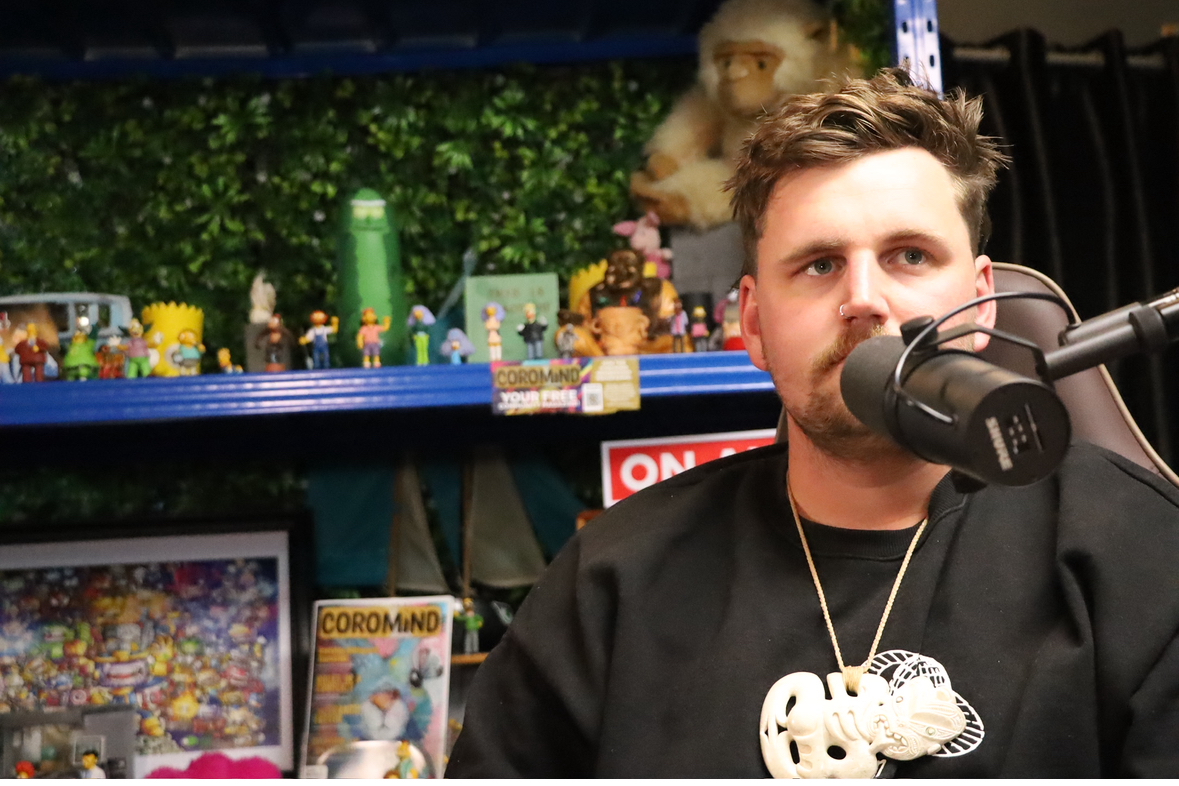
Lachie Holt – The Kaupapa Kid Kia ora, I’m Lachie Holt — a music journalist based in Aotearoa, sometimes known as The Kaupapa Kid. I’m passionate about telling the stories behind the music, especially those that reflect our culture, our communities, and the issues that matter. I write with a kaupapa-driven approach, aiming to uplift voices that don’t always get the spotlight. Whether it’s reviewing local gigs, interviewing emerging artists, or exploring the deeper layers of our music scene, I’m here to contribute something thoughtful, honest, and grounded in respect for the art and the people behind it.
More by Lachie Holt
Album Review: What Does It Mean?
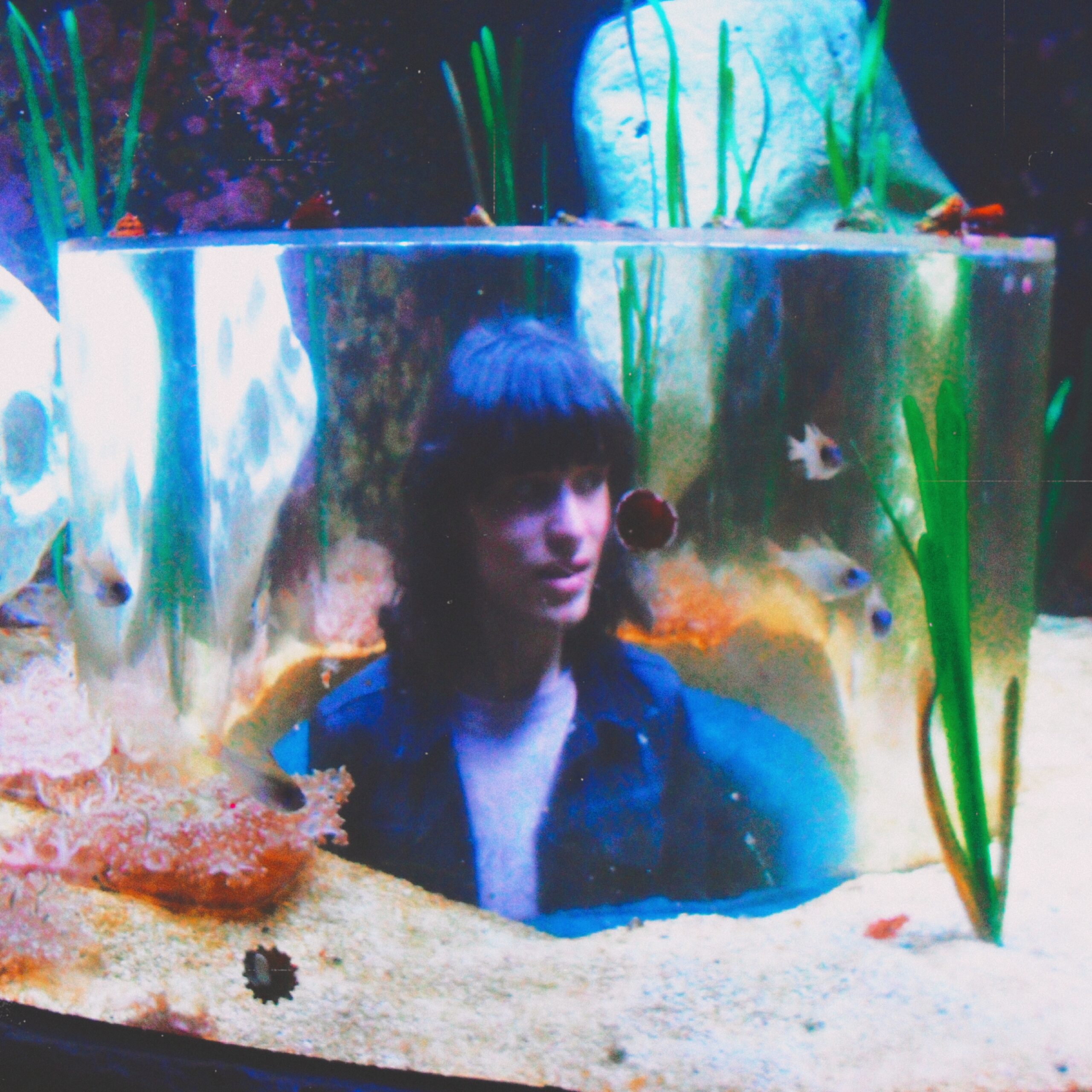
Album Review: Red Sunset

MNZ Interview: Muroki
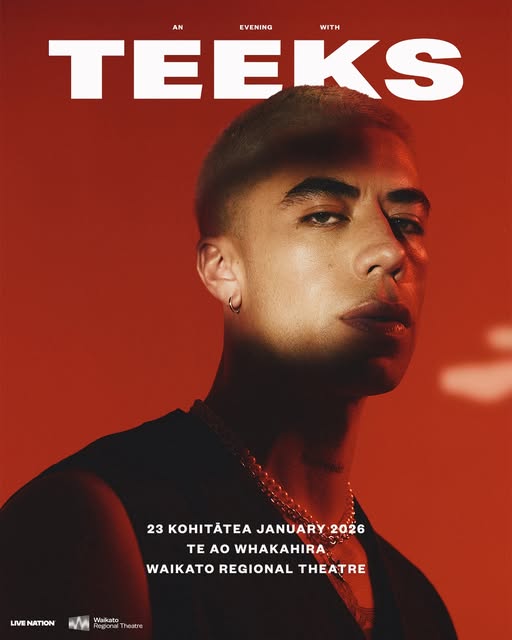
Gig Review: TEEKS @ Waikato Regional Theatre, Hamilton – 23/01/2026
Documentary Review: Anchor Me: The Don McGlashan Story
Album Review: Bog Queen
Documentary Review: Life In One Chord
Album Review: REforms
Album Review: Night Lords